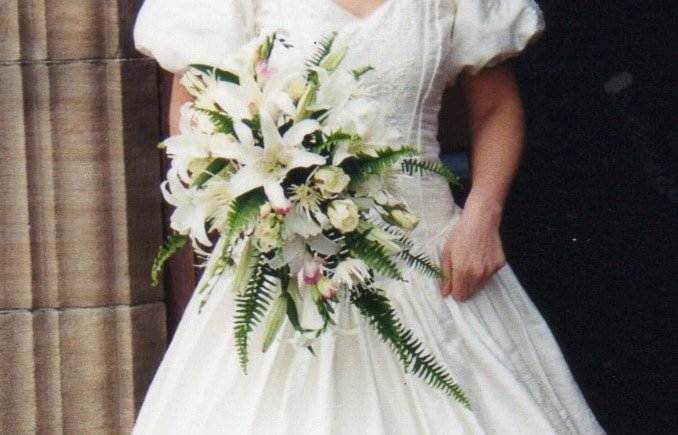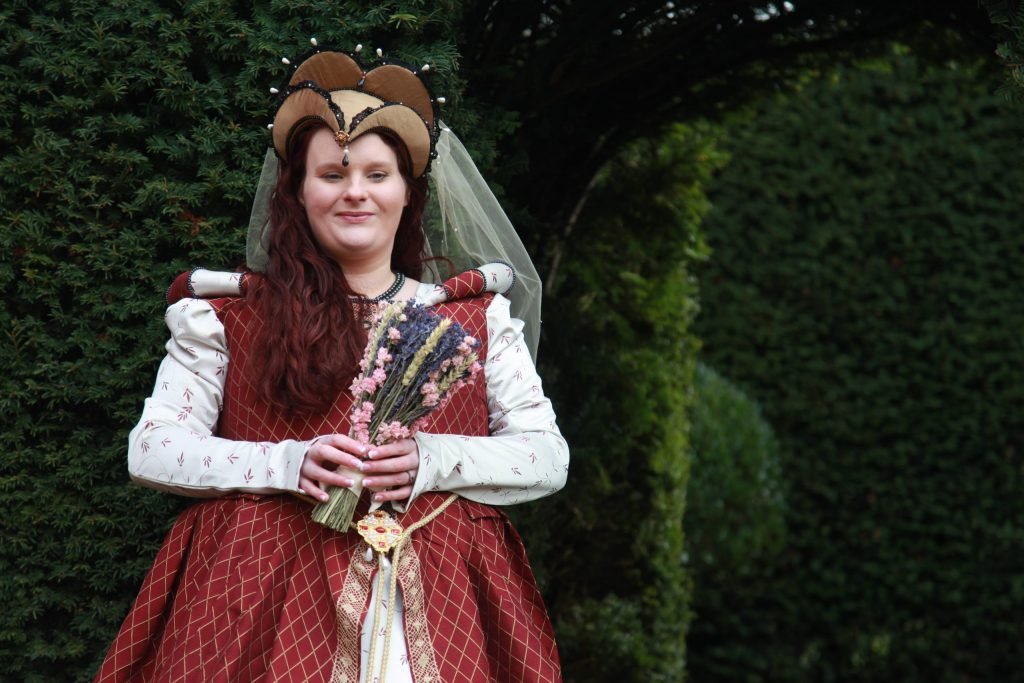
The origins of the tradition of a bride carrying flowers at her wedding dates back to the Ancient Greeks and Romans. In ancient Greece, brides carried aromatic herbs and flowers to symbolize fidelity, happiness, and fertility, essential elements for a successful marriage. The ancient Romans started to carry and wear floral garlands to their weddings as a symbol of new beginnings. The earliest bridal bouquets of the Middle Ages were made up of pungent herbs and spices; these aromatic bouquets were believed to ward off evil spirits and ensure a prosperous future for the newlyweds. Dill was especially common, as it was not only thought to drive away negative energy, but it was also known as the herb of lust! During the Elizabethan era, small arrangements became a bridal must-have and posies were created to give as favours.Fashionable brides began wearing flowers nestled in their hair.
The bridal bouquet as we know it today made its appearance in Britain in the 19th century, when Queen Victoria held a small posy of flowers at her wedding to Prince Albert in 1840. This was the time of the "language of flowers', and brides began to choose blooms based on the meanings behind the flowers. Roses which signify love, and peonies representing happiness and ambition became popular. As a result, bouquets became closely associated with sentimental romance. Catherine (the Princess of Wales), when she married Prince William included 'sweet william' flowers in her bouquet as a nod to her groom
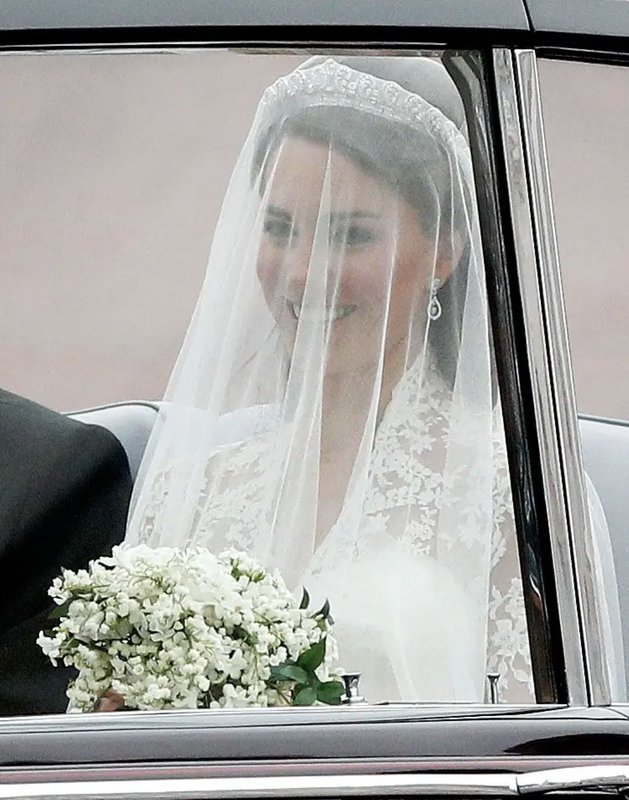
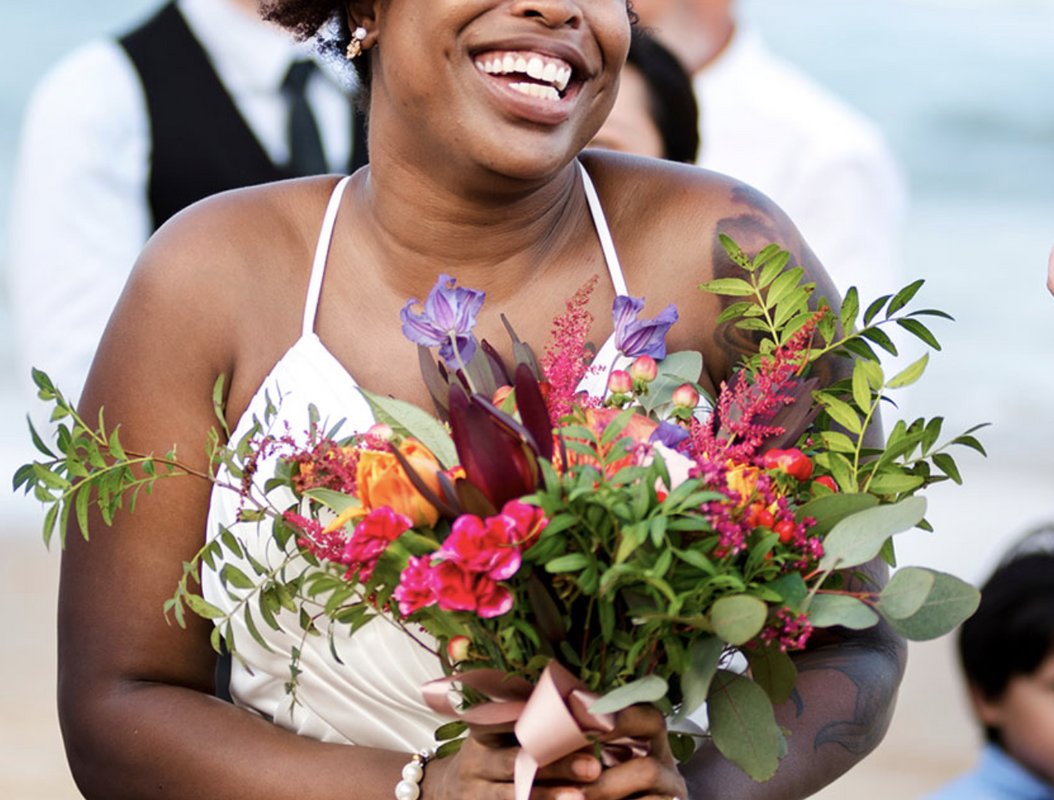
The bouquet has become an important part of the modern wedding, albeit more of an accessory. Flowers are more likely to be chosen for their colour, shape and fragrance rather than their meaning. None-the-less, whether the bride realises it or not, they do symbolise the joy and happiness of the day. The very act of holding a bouquet is said to signify the transition into a new chapter of life; and it is thought to act as a focal point enhancing the bride's beauty and radiance as she walks down the aisle.
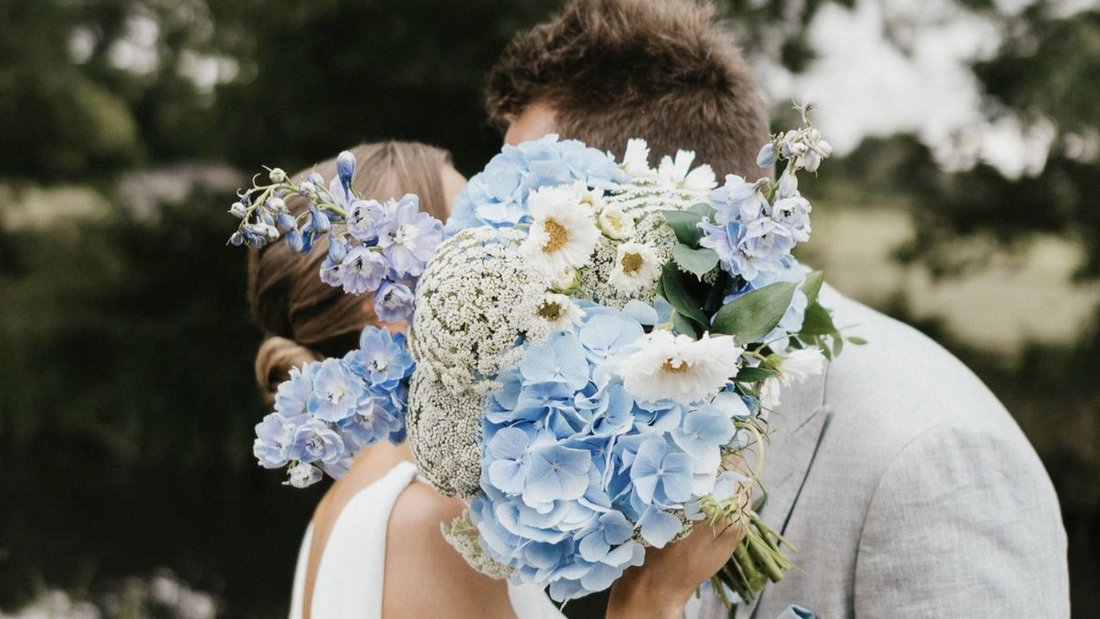
Some brides keep the tradition of tossing their bouquet away; throwing it over their head for a single female guest to catch, in the hope that it will signify that they will be the next one to get married. This tradition began during the Middle Ages, when it was considered good luck to touch or take parts of the bride's dress. In the 14th century the tradition evolved into tossing the bouquet now seen as a symbol of good luck (and possibly to stop the bride from being interfered with!).
My bouquet, some 56 years later, is all shrivelled-up, crisp and dry in a box in the loft (the drying process intended to keep it looking colourful and intact, unfortunately, didn't work!). Maybe I should have thrown it over my head instead, for someone else to enjoy.